As we usher in CARICOM Energy Month 2026, I am filled with optimism and a renewed commitment to our collective energy future. This month provides an important opportunity to reflect on the progress made across the region, recognise the work still ahead and galvanise our efforts towards a sustainable, secure and resilient energy sector for the Caribbean.
Last year, the call was to Invest, Innovate, Sustain: Leading the Charge in Renewable Energy Frontiers. This year, the focus shifts to Harnessing Energy, Advancing Resilient Development.
The progression is an important one. Investment, innovation and sustainability must translate into tangible improvements in how we produce, distribute and use energy across the Caribbean. Our energy transition is not simply about increasing the share of renewable energy in our electricity systems. It is about building infrastructure that is reliable, affordable and resilient; improving access to modern energy services; reducing our dependence on imported fossil fuels; and creating opportunities for economic growth and development.
At CCREEE, we recognise that these ambitions are interconnected. Advancing renewable energy must go hand in hand with improving energy efficiency, strengthening energy access, supporting sustainable buildings and industries, transforming transportation, mobilising finance, building knowledge and strengthening the region’s capacity to withstand climate-related and other disruptions.
A regional approach to a shared energy future
The Caribbean's energy challenges are varied, reflecting differences in geography, population, resources and economic circumstances. Yet our ambitions are shared. Across our countries, we are working towards energy systems that can support development, improve the quality of life of our people and better withstand external shocks.
Renewable energy remains central to this effort. The Caribbean has significant potential to harness solar, wind, geothermal, hydropower and other appropriate renewable resources. Realising that potential requires sound planning, enabling policies, modernised electricity grids, technical expertise and investment. It also requires us to make better use of the energy we already consume.
Energy efficiency is therefore equally important. More efficient buildings, industries, businesses and public facilities can reduce energy costs, ease pressure on electricity systems and improve competitiveness. From the design and operation of buildings to the way businesses manage their energy use, efficiency must become an integral part of how we plan and develop our economies.
We must also ensure that the benefits of the energy transition reach all our people. Expanding access to reliable, affordable and cleaner electricity and cooking solutions remains essential, particularly for underserved communities and those in rural and hinterland areas. Modern energy services are not simply a technical consideration; they are fundamental to opportunity, productivity and social development.
Building resilience into our energy systems
For the Caribbean, resilience must be at the centre of energy planning. Our countries face increasing exposure to extreme weather events and other disruptions that can affect electricity infrastructure, essential services, businesses and households.
Strengthening energy resilience means investing in infrastructure that can better withstand and recover from these events. It means considering renewable energy and storage solutions, decentralised systems, emergency energy access and climate-informed planning. It also means ensuring that energy considerations are integrated into wider development decisions.
CCREEE's work in climate resilience, alongside its support for integrated resource and resilience planning, recognises that energy systems must be designed with the realities of our region in mind. The objective is not only to meet today's energy needs, but to prepare for the demands and challenges of tomorrow.
Transforming how we move, work and live
An important part of this transition is the transformation of our transportation sector. Electric mobility offers an opportunity to reimagine how people and goods move within our countries and across the region. Imagine a future where electric buses transport our children to school, where businesses move goods using cleaner energy, and where communities benefit from transportation systems increasingly powered by our own renewable resources.
Achieving this vision will require more than the introduction of electric vehicles. It calls for reliable electricity systems, appropriate charging infrastructure, supportive policies, technical standards and investment. It also requires us to consider how transport networks are planned and managed, including opportunities to improve connectivity and make transportation more efficient and accessible.
The same forward-thinking approach must guide the development of our buildings, industries and businesses. By improving energy and resource efficiency, adopting cleaner technologies and encouraging responsible practices, we can reduce operating costs, strengthen productivity and support a more competitive Caribbean economy.
Turning regional ambition into investment and action
The scale of the transformation we seek will require significant investment and sustained cooperation. No country can address every challenge in isolation, and our individual markets can face limitations in attracting investment, accessing technology and achieving economies of scale.
This is where the strength of Caribbean regionalism becomes particularly important. Through shared knowledge, harmonised policies, coordinated investments and regional cooperation, we can create opportunities that may be difficult for individual countries to achieve alone.
The launch of CCREEE's Energy Investment Platform (EIP) at the Caribbean Renewable Energy Forum 2026 represents an important step in advancing this approach. The EIP is a Caribbean-owned regional framework designed to support demand aggregation, investment mobilisation and pooled procurement. Its five interconnected pillars address regional demand aggregation and pooled procurement; technology assurance and market readiness; investment readiness and finance mobilisation; policy, legislative and regulatory harmonisation; and regional institutional strengthening and sustainability.
The platform provides an opportunity to strengthen dialogue among governments, utilities, financial institutions, development partners, technical experts and suppliers. By identifying compatible needs and supporting the development of viable projects, we can improve the conditions for investment and implementation while respecting the priorities and decision-making authority of individual countries.
This work is closely connected to CCREEE's broader role in supporting finance and project development, strengthening knowledge and technical capacity, and facilitating cooperation across the region. Through these efforts, we can help move promising ideas and national priorities towards practical solutions.
Building capacity and sharing knowledge
A resilient energy transition also depends on people. Our region needs skilled professionals, informed decision-makers, capable institutions, innovative businesses and communities that understand and can participate in the changes taking place.
Knowledge management, research, training and capacity development are therefore essential to our work. By strengthening the regional knowledge base, facilitating the exchange of experience and supporting technical and institutional capacity, we can help ensure that Caribbean countries are better equipped to plan, finance, implement and maintain sustainable energy solutions.
We must continue to create opportunities for young people, women, entrepreneurs, technical professionals and communities to contribute to the energy sector. The transition should not only change our energy systems; it should expand participation, create meaningful opportunities and support the development of Caribbean expertise.
Advancing together
CARICOM Energy Month is a reminder that the future of our energy sector will be shaped by the decisions we make and the partnerships we build today. Renewable energy, energy efficiency, energy access, sustainable buildings, sustainable industry and business, sustainable transportation, climate resilience, finance, and knowledge development are not separate ambitions. They are interconnected elements of the regional transformation we seek.
At CCREEE, we remain committed to working with CARICOM Member States and our regional and international partners to advance this shared agenda. The task before us is to turn ambition into implementation and cooperation into results that improve the lives of Caribbean people.
The Caribbean of tomorrow will be achieved as a region: advancing together, connected by our shared ambitions, strengthened by our collective action and united in building a more energy-secure and prosperous future for all.
This CARICOM Energy Month, let us harness the power of energy to move our region forward.
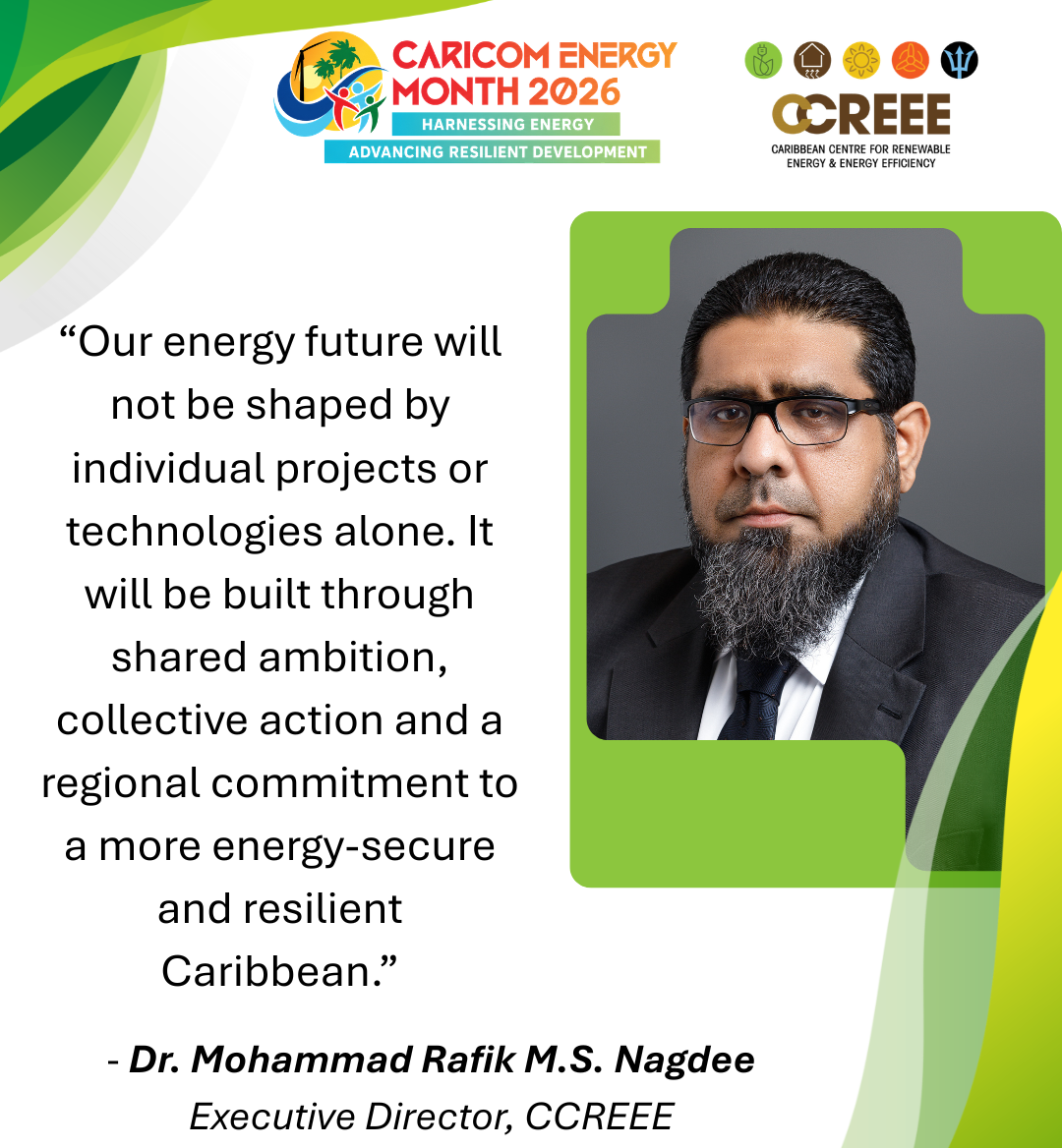
- Dr. Mohammad Rafik M.S. Nagdee
Executive Director, Caribbean Centre for Renewable Energy and Energy Efficiency (CCREEE)


Latest News
-
ECOWAS Energy Ministers Adopt Regional Directive on Battery Energy Storage Systems (BESS) and Other Energy Storage Technologies 
ECOWAS Energy Ministers Adopt Regional Directive on Battery Energy Storage Systems (BESS) and Other Energy Storage Technologies
-
WIRE Luncheon Celebrates Sisterhood and Women’s Leadership at CREF 2026 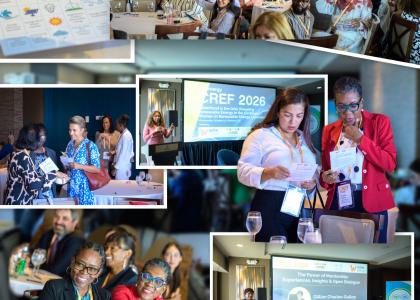
WIRE Luncheon Celebrates Sisterhood and Women’s Leadership at CREF 2026
-
CCREEE and OLACDE Sign Memorandum of Understanding to Strengthen Regional Energy Cooperation 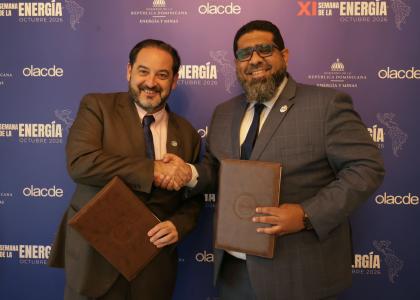
CCREEE and OLACDE Sign Memorandum of Understanding to Strengthen Regional Energy Cooperation
-
ECREEE Strengthens the Capacities of Clean Energy SMEs 
ECREEE Strengthens the Capacities of Clean Energy SMEs
-
ECOCONF Validates Regional Solar PV Certification Framework 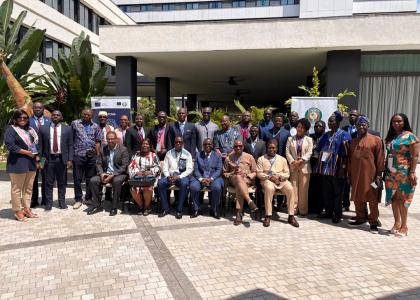
ECOCONF Validates Regional Solar PV Certification Framework
-
ECREEE and Partners Advance Sustainable Food Systems through AGRI-COOL 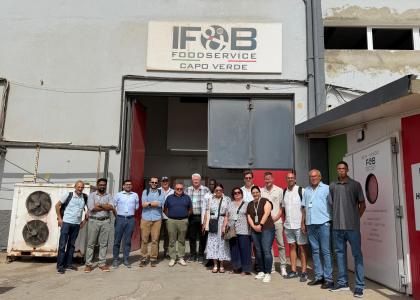
ECREEE and Partners Advance Sustainable Food Systems through AGRI-COOL
-
CCREEE Launches Energy Investment Platform to Accelerate Caribbean’s Sustainable Energy Transition 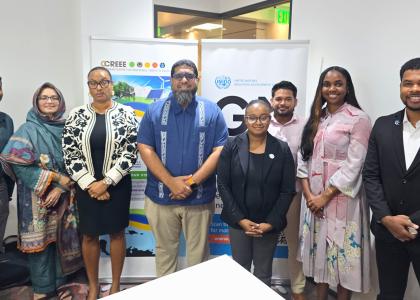
CCREEE Launches Energy Investment Platform to Accelerate Caribbean’s Sustainable Energy Transition
-
ECREEE and IEC Explore Opportunities for Cooperation 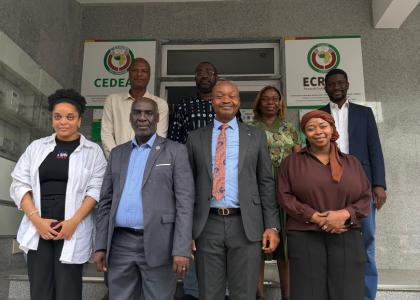
ECREEE and IEC Explore Opportunities for Cooperation
-
Empower Her Future - Call for Role Models 
Empower Her Future - Call for Role Models
-
ECOWAS Concludes Regional Workshop in Lomé on Energy Efficiency Indicators and Data Validation 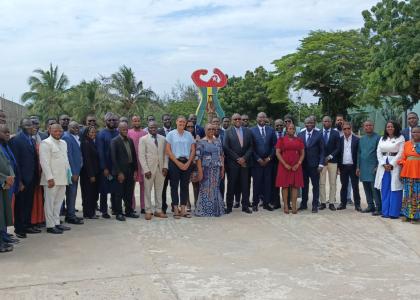
ECOWAS Concludes Regional Workshop in Lomé on Energy Efficiency Indicators and Data Validation
-
ECOWAS Audit Committee Pays Courtesy Visit to ECREEE 
ECOWAS Audit Committee Pays Courtesy Visit to ECREEE
-
ECREEE Promotes Integrated Approach to Sustainable Energy and Water Management in West Africa 
ECREEE Promotes Integrated Approach to Sustainable Energy and Water Management in West Africa